
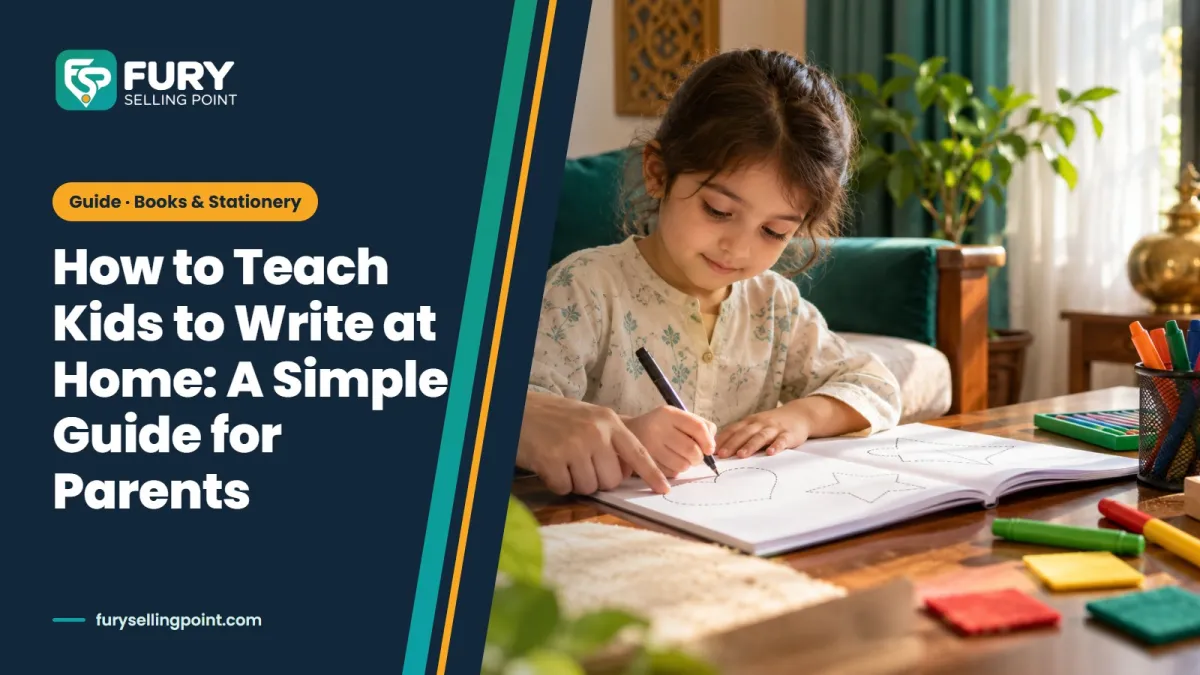
If you are wondering how to teach kids to write, start with play, not letters. Build hand control with colouring and craft first, then move to lines, shapes and tracing, and only then to letters and your child's own name. Ten to fifteen calm minutes a day works far better than one long session at the weekend.
This guide is for parents of children aged roughly 3 to 6, whether they are in playgroup, nursery or prep. Everything here can be done at the dining table with a few colours and practice books, and you will find tracing books and craft kits in our Books & Stationery range.
Signs your child is ready to start writing
Children become ready at different ages, so watch your child rather than the calendar. Many scribble around two, copy lines and circles around three or four, and form clear letters somewhere between four and six.
Look for these signs before you bring out the letter books:
- Holds a crayon with the fingers instead of a tight fist
- Enjoys colouring and can stay roughly inside a big shape
- Can copy a standing line, a sleeping line and a circle
- Shows interest in letters, such as pointing at shop signs or asking how to write their name
- Can sit with one activity for about ten minutes
If only one or two of these are true, spend a few more weeks on the play activities below.
Build hand control first with colouring and craft
Writing needs small, steady finger movements, and play is the easiest way to practise them. Colouring, tearing, sticking and cutting all give little fingers the grip and control a pencil will ask for later.
Simple ideas that work at home:
- Colour big pictures with thick crayons, then smaller ones as control improves
- Tear old newspaper into strips and stick them onto a drawing
- Cut felt squares into simple shapes with child-safe scissors
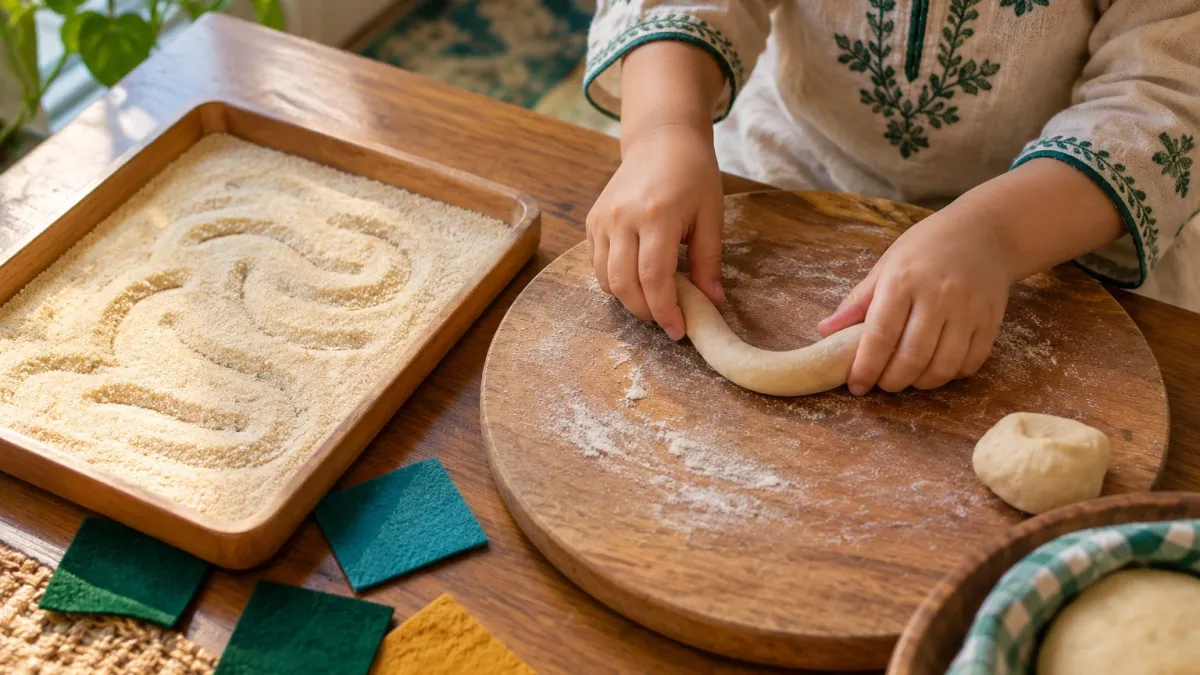
- Roll a ball of leftover atta dough into snakes and bend them into letters
- Spread a thin layer of sooji (semolina) on a tray and draw lines with one finger
A good colouring set and a few craft materials make these sessions easy to start. They are also handy on hot afternoons when outdoor play is not an option, and on rainy monsoon days.
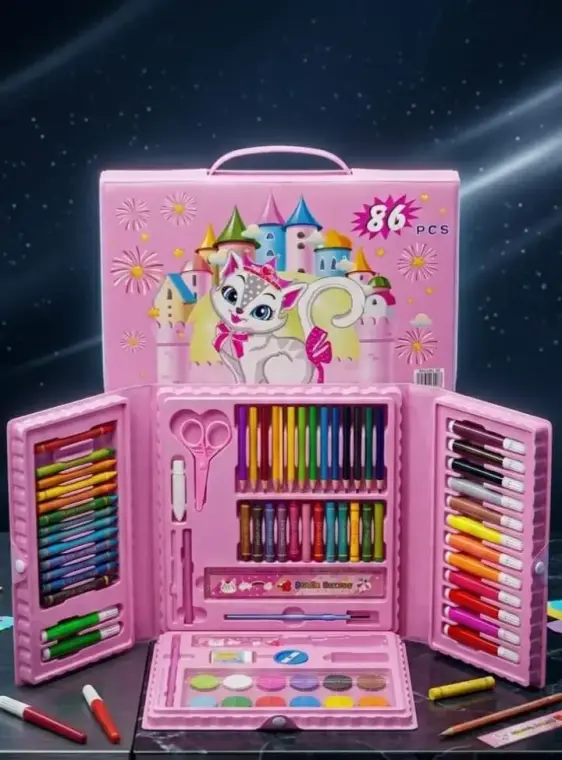
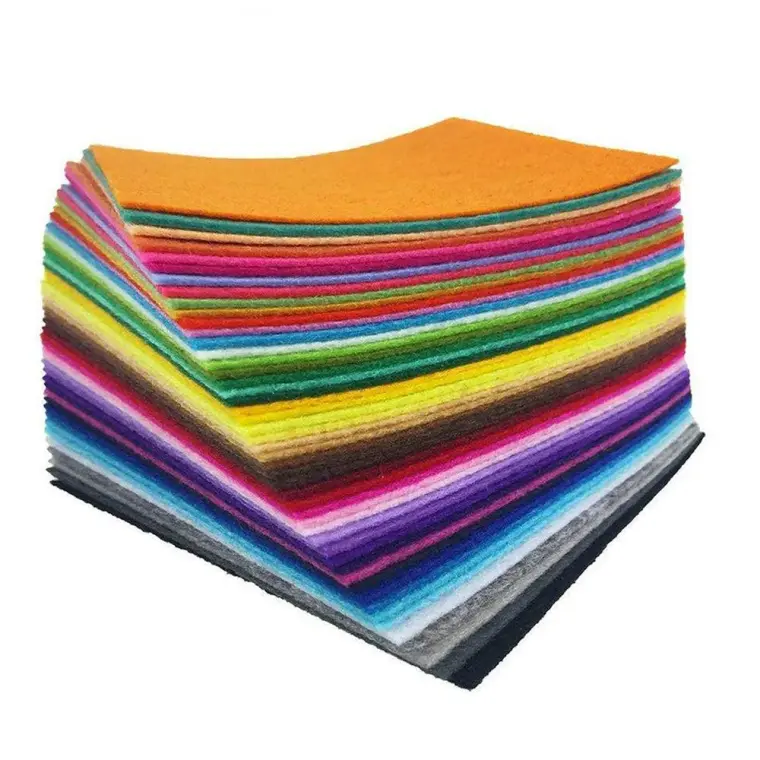
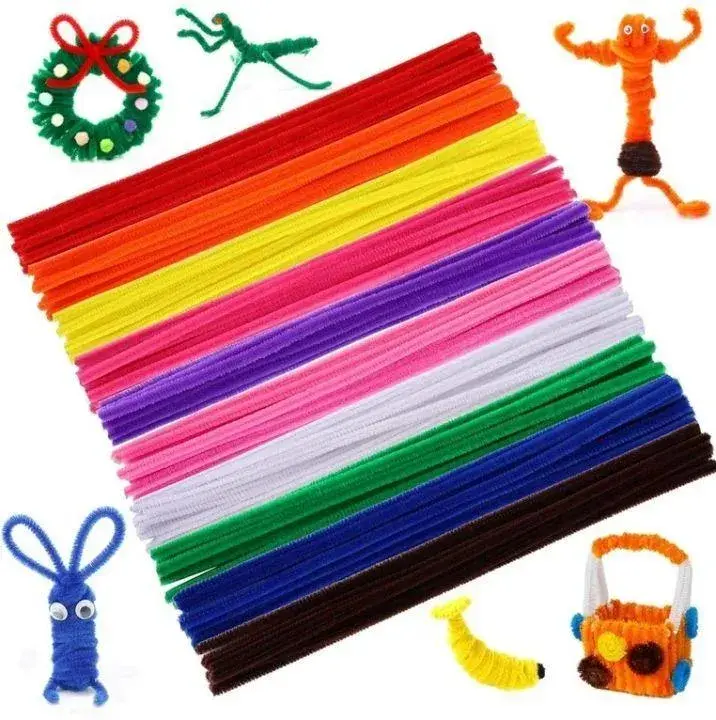
Keep in mind that the colouring kit has mixed reviews from buyers, so read them on the product page before you order. With toddlers, keep small craft pieces away when an adult is not sitting with them. Crayon on the floor is part of the deal: lay an old bedsheet under the table, and if cleaning up is a daily battle, our guide to the best mop in Pakistan may help.
How to teach kids to write: a step-by-step routine
Once hand control is in place, follow these steps in order. Stay on each step until it feels easy, which could take a week for one child and a month for another.
1. Get the grip right
Show your child how to hold the pencil between the thumb and first finger, resting on the middle finger. Short or broken crayons help, because there is no room to grab them with a full fist. A gentle reminder at the start of each session is enough.
2. Practise lines and shapes
Many schools here start with standing lines, sleeping lines, slanting lines and curves, so use the same words at home. Draw them big first, on old newspaper or a whiteboard, then smaller on paper. Circles and zigzags come next.
3. Move on to tracing
Tracing lets a child feel the shape of a letter before writing it alone. Keep the letters large and let them trace each one three or four times rather than filling a whole page. Show the correct starting point every time: most English letters begin at the top, and Urdu is written from right to left.
4. Teach letters in families
Group letters that share strokes. In English, straight-line letters like L, T, I, H, E and F are easier than curvy ones like S, G and Q. In Urdu, start with alif, then the bay family (bay, pay, tay), which share one shape and only change their dots.
5. Write their own name
A child's own name is the most exciting word they will ever write. Write it once in large letters, let them trace it, then ask them to copy it underneath. Stick their best attempt on the fridge, because praise does more than any correction.
6. Move on to short, real words
After the name, try short words they know: ammi, abbu, cat, sun. Let them help write the grocery list or label their own drawings.
Helpful books for writing practice at home
Good practice books save you from drawing dotted letters every night. These three suit different stages.
Tracing books for preschoolers
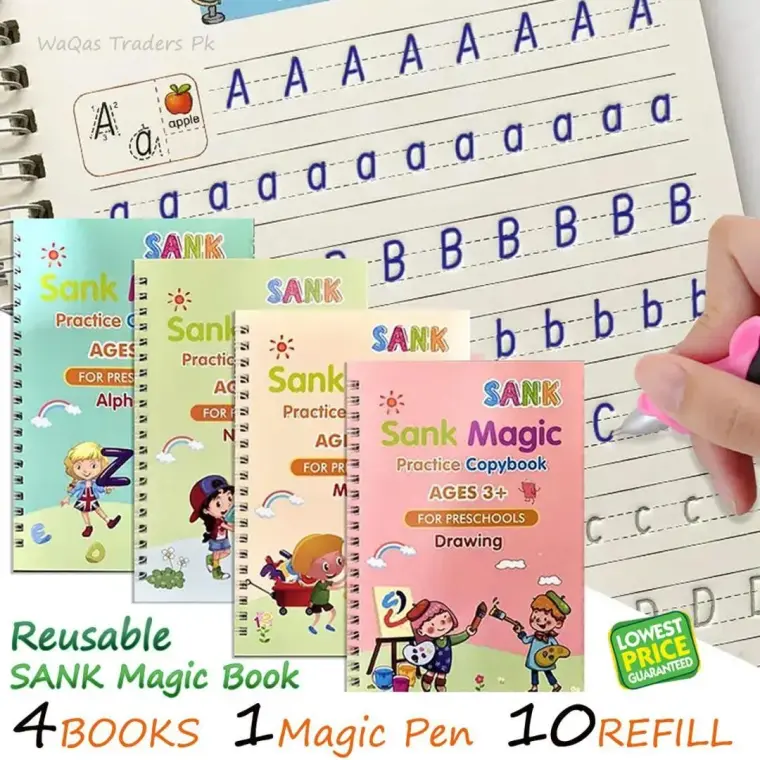
This set comes with four tracing books and a pen and is made for preschoolers, so it is a natural next step once lines and shapes feel easy. Four books means you can rotate them and keep practice fresh, and buyers have rated it well. Keep in mind the listing does not spell out what is on each page, so check the photos on the tracing books set page to see if it matches what your child's class is learning.
A busy book for toddlers
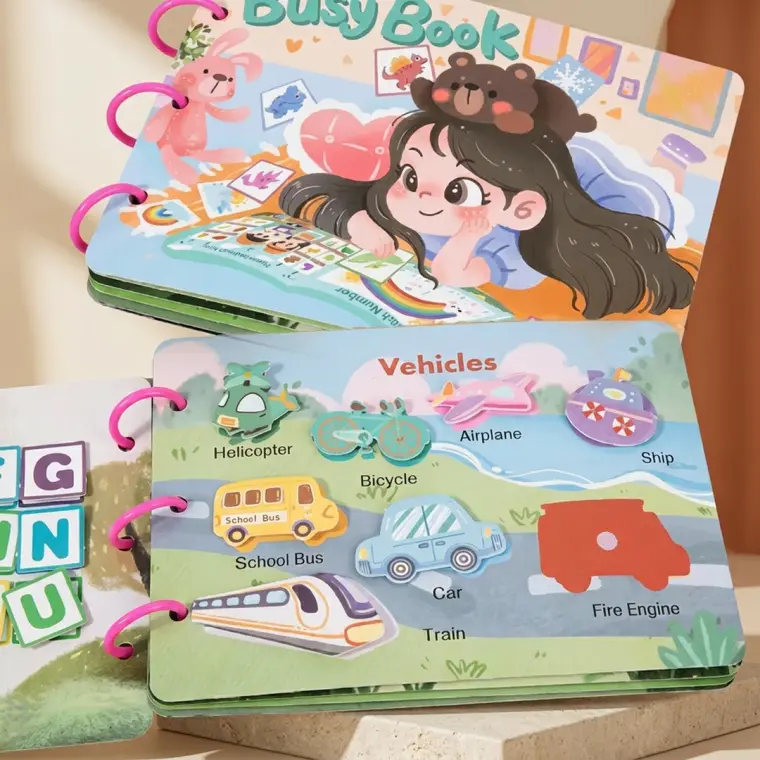
- Material Hardcover And Paperback
- Size A5 Size
- Package Includes 1 x Book
- Color Multicolor
For two and three year olds who are not ready for tracing, a quiet busy book gives small hands something to work on away from a screen. It is A5 size, easy for a toddler to hold and small enough for a handbag on a long car journey or at a family wedding. Keep in mind it is meant for toddlers, so a child who already traces letters may find it too simple.
An activity book for a change of pace
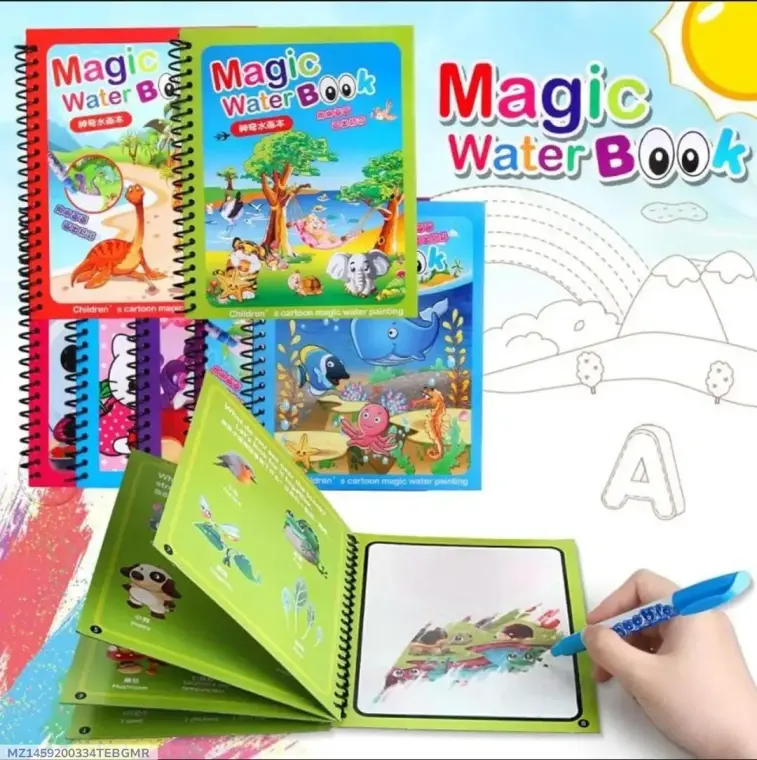
- Material Paper
- Number Of Pieces 1 Pc
- Color Multicolor
- Package Includes 1 x Magic Water Book For Kids
The Magic Water Book is a paper activity book for kids and one of the lower-priced picks in this guide. Use it as a fun break on days when your child needs something lighter than another page of letters. Keep in mind it has only a couple of ratings so far, and as a paper book it is best stored in a dry drawer, especially in monsoon humidity.
Urdu or English: which should come first?
Pakistani parents ask this a lot, and there is no single right answer. The simplest approach is to follow your child's school: if the class is learning English letters, practise those at home first and add Urdu when the class does.
If you teach both together, keep them apart. Use one notebook for Urdu and one for English, and practise them at different times of day. A small arrow at the top of each page showing the direction of writing, pointing left for Urdu and right for English, reminds your child which side to start from.
Many grandparents learned on a wooden takhti, and the idea behind it still works: short, repeated practice of a few letters at a time.
Set up a writing corner and a simple daily routine
The biggest secret of how to teach kids to write is not a special book but a calm, regular habit. A fixed spot tells your child it is time to focus, and a corner of the dining table is enough.
- Good light: sit near a window and practise in daylight, so evening load-shedding does not break the routine.
- Right height: feet should rest on the floor or a small stool, with the table at about elbow height.
- Everything in reach: keep crayons, pencils and an eraser in one place. A small mesh desk organiser with four compartments keeps them sorted and teaches your child to put things back.
- Comfort in the heat: keep a small towel nearby in summer, as sweaty hands smudge pencil and crinkle the page.
Keep sessions to 10 to 15 minutes for a four year old and stop while they are still enjoying it. The winter break in December is a good time to build the habit, with no homework rush.
Mistakes to avoid
- Handing over a full page of letters before lines and shapes are steady
- Correcting every single stroke
- Comparing your child with cousins or classmates
- Moving to narrow lined notebooks before large letters look confident
- Practising when your child is tired, hungry or just back from school
Frequently asked questions
At what age should my child start writing letters?
Many children start forming letters between four and six, after months of colouring, scribbling and drawing lines. Go by readiness signs such as a finger grip and interest in letters rather than age alone, and ask their teacher if you are unsure.
My child is left-handed. Should I change anything?
Let them write with the hand they prefer. Turn the top of the page slightly to the right, teach them to keep the hand below the line so they can see their writing, and seat them on the left when sharing a table so elbows do not bump.
How long does delivery take, and can I pay cash on delivery?
Orders usually arrive in 3 to 5 working days across 350+ cities in Pakistan. Cash on delivery is the only payment method, so you pay the rider when the parcel arrives. A delivery fee and a cash on delivery charge apply per order; see our delivery page for details.
What if a book arrives damaged or I receive the wrong item?
You can request a return within 7 days if an item is wrong, different from the listing, damaged or incomplete. Read our returns policy and raise a support ticket through the contact page.
How many tracing pages should my child do each day?
Two or three pages, or about 10 to 15 minutes, is enough for most young children. A few careful letters are worth more than a rushed full page.
Final thoughts
Now that you know how to teach kids to write, remember that every child moves at their own pace. Start with play, keep sessions short and celebrate small wins like a first wobbly name. For ready-made help, browse tracing and activity books in Books & Stationery, and find more for little ones in Kids Accessories and Mother & Baby.